Article
What Is VO2max — and Why It Matters for Runners
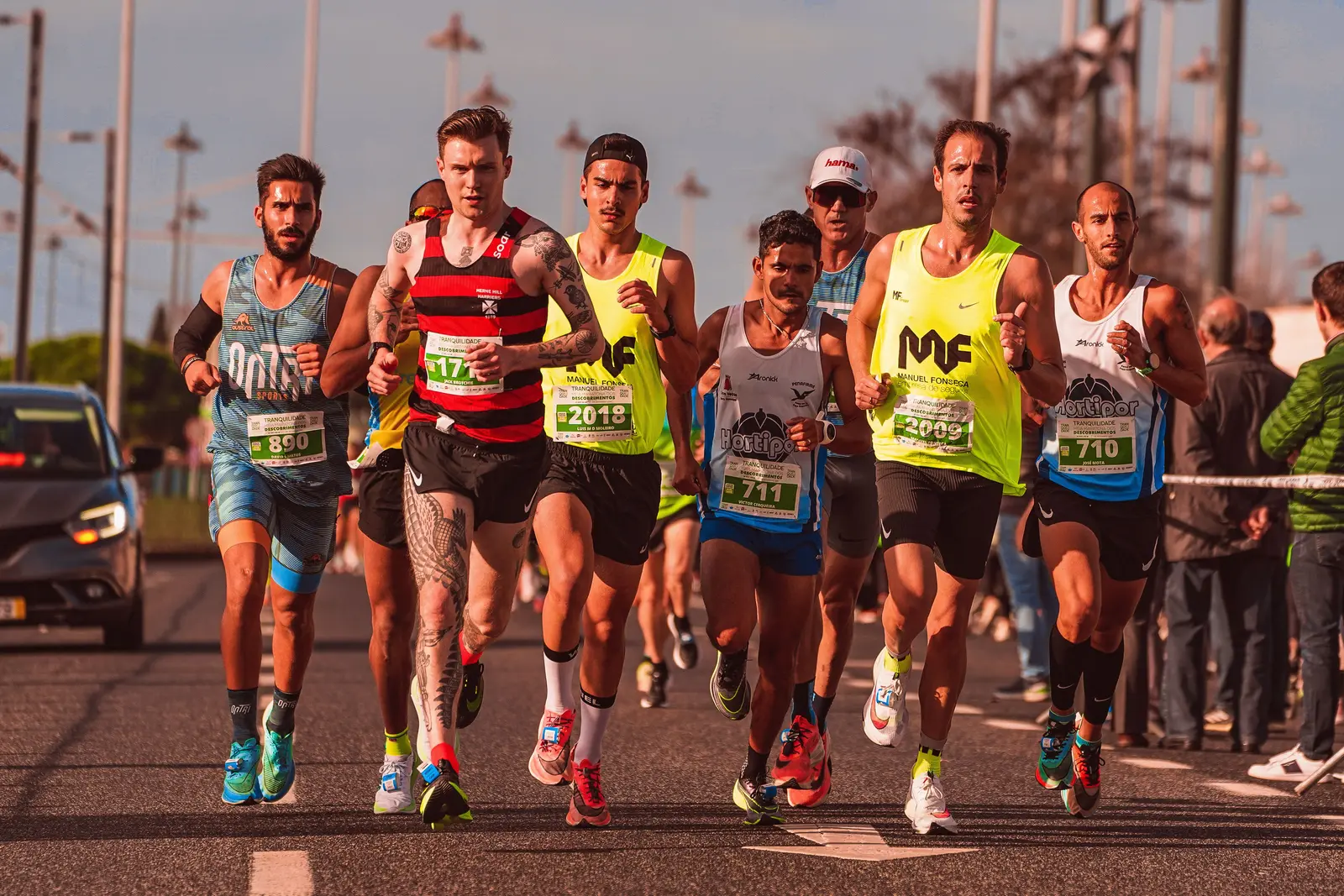
VO2Max — maximum oxygen uptake — is the single number most often used to describe a runner's aerobic capacity. It measures how much oxygen your body can consume and use per minute relative to your body weight at maximum effort. The unit is millilitres of oxygen per kilogram of bodyweight per minute (ml/kg/min).
Why VO2Max matters for runners
At its core, running performance at distances from the 5K to the marathon is an aerobic event. Your muscles need oxygen to produce energy sustainably; the faster you can deliver and use that oxygen, the faster you can run. A higher VO2Max means a larger aerobic engine — all else equal, a runner with a VO2Max of 60 ml/kg/min has more headroom than one at 50.
It is not the only factor — running economy (how efficiently you use oxygen at a given speed) and lactate threshold (the pace you can sustain before lactate accumulates sharply) matter just as much — but VO2Max sets the ceiling on what training and economy improvements can achieve.
VO2Max also declines with age — roughly 1% per year after the mid-30s in sedentary people. Regular endurance training slows that decline substantially. This is why a committed 55-year-old runner often has a higher VO2Max than a sedentary 35-year-old, and why consistent training over years compounds in ways that any single training block cannot replicate.
Typical values by fitness level
| Group | VO2Max (ml/kg/min) | |---|---| | Sedentary adult | 30–40 | | Recreational runner | 45–55 | | Trained club runner | 55–65 | | Sub-elite | 65–75 | | Elite (marathon) | 70–85 |
Elite male marathon runners typically sit in the low-to-mid 70s; world-class performers like Eliud Kipchoge have been measured around 85. Women's values are typically 10–15% lower due to physiological differences in blood volume and haemoglobin concentration — but the training principles are identical.
How VO2Max is measured
Laboratory testing is the gold standard. A treadmill or cycle test ramps in intensity until exhaustion while expired air is analysed to calculate oxygen consumption directly. This is accurate but requires specialist equipment and is usually available only through universities or sports medicine clinics.
Field tests give a reasonable approximation without a lab. The simplest: run as far as you can in 12 minutes (the Cooper test). VO2Max (ml/kg/min) ≈ (distance in metres − 504.9) ÷ 44.73. A 12-minute distance of 2,800 m gives roughly (2800 − 504.9) ÷ 44.73 ≈ 51 ml/kg/min.
GPS watch estimates use heart rate and pace data from easy runs to estimate VO2Max continuously. These are convenient and track change well over weeks and months, but can deviate from lab measurements by 5–10% in either direction. Use them to track trends rather than as absolute values.
How to improve it
VO2Max responds well to training, especially in the early years of running. Three approaches work:
Interval training is the most direct stimulus. Running at or slightly above your VO2Max pace — typically near your 3K–5K race pace — for repetitions of 3–8 minutes with equal recovery time pushes the aerobic system to adapt upward. A classic session: 5 × 4 minutes at 5K effort with 3 minutes easy jog recovery. That is only 20 minutes of hard running, but it generates a strong cardiovascular stimulus. One or two sessions like this per week, embedded in otherwise easy running, is enough for most recreational runners. The training pace zones calculator can help you set the right interval pace from your current threshold pace.
High easy mileage raises VO2Max more gradually but sustainably. Increasing weekly easy-pace kilometres improves cardiac output and the density of capillaries around muscle fibres — the physical infrastructure that delivers oxygen to working muscles. The majority of your weekly running should be at genuinely easy pace.
Racing shorter distances provides a high-quality VO2Max stimulus. Racing a 5K hard, or doing tempo sessions near that effort, stresses the aerobic ceiling directly.
Improvements of 5–15% over a training cycle are realistic for recreational runners who have not done structured training before. Highly trained runners see smaller gains (2–5%) because they are closer to their genetic ceiling. Consistency over months matters more than any single session.
VO2Max and your race performance
There is a close relationship between VO2Max and race performance. Running a recent 5K or 10K all-out and entering the result in the race time predictor gives you an indirect read on where your aerobic capacity currently stands, and shows what it could translate to over longer distances.
As your VO2Max improves — the result of months of consistent interval and easy running — the pace that once felt hard starts to feel manageable. That is the aerobic engine getting bigger. Track it with a Cooper test or a GPS watch trend every 6–8 weeks during a training block. A steady upward curve over a 12–16 week cycle is a reliable sign that the training is working, even on weeks when individual sessions feel harder than expected.