Article
When to Replace Running Shoes: Mileage, Wear Signs, and Rotation
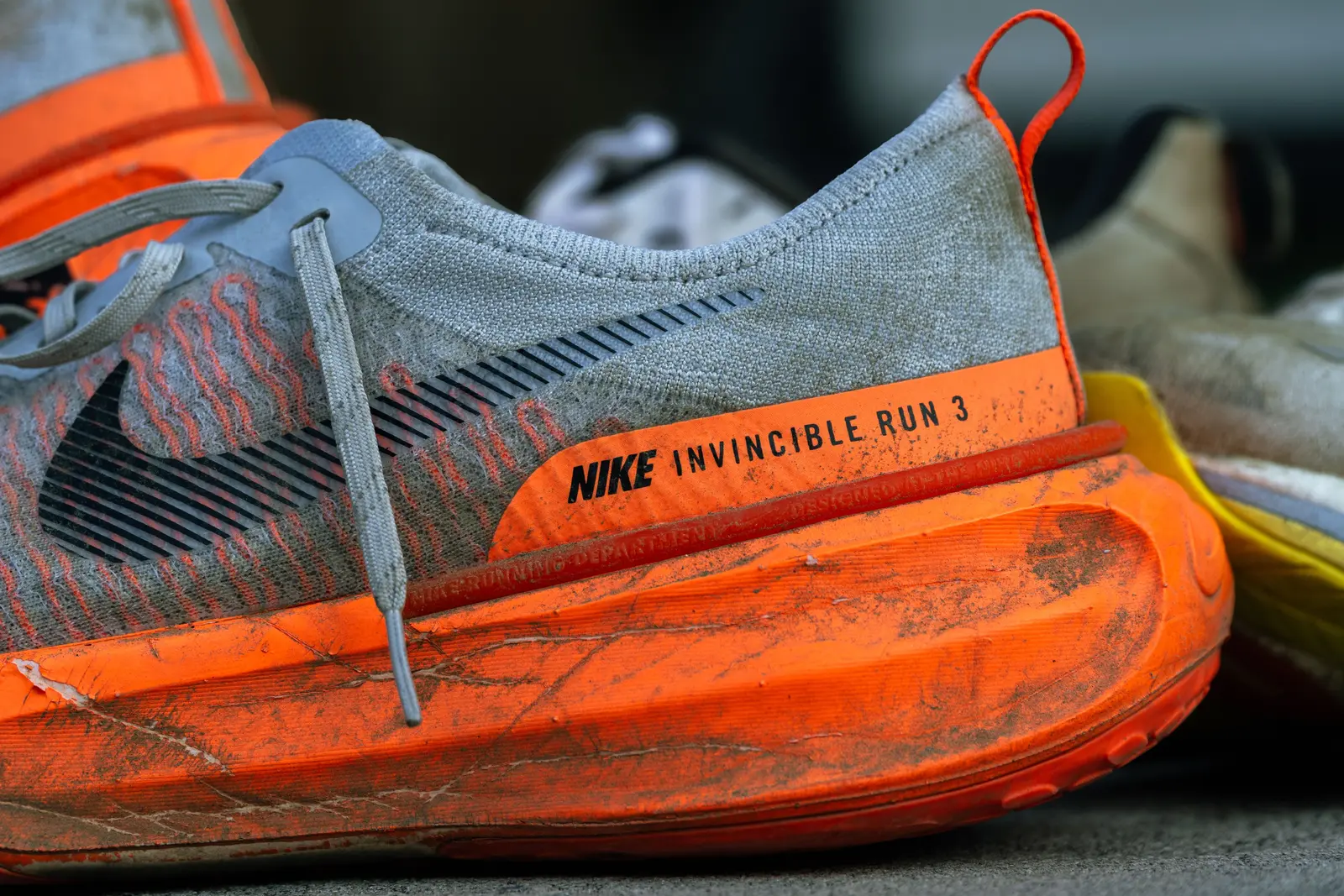
A running shoe doesn't come with an expiry date printed on the box, and that's exactly the problem: most runners keep going in a pair well past the point where it's actually doing its job, because it doesn't look worn out yet. The upper still looks fine, the tread still has some pattern left, and the shoe still feels like "your shoe." Underneath that, the cushioning has usually already given up most of what it had to offer. This article covers where the commonly cited 500-800 km guideline actually comes from, the wear signs that matter more than the odometer, why rotating two pairs makes both last longer, and simple ways to track your mileage so you're not guessing.
Where the 500-800 km guideline comes from
The midsole — the cushioned layer between your foot and the outsole — is almost always some form of foam, usually EVA (ethylene-vinyl acetate) or a proprietary variant of it. Foam cushions by compressing under impact and springing back, and like any material that flexes under repeated load, it fatigues: the cell structure that gives it its bounce gradually collapses, and it stops returning to its original shape as fully or as quickly as it did when new. That process is gradual and mostly invisible — a foam that's lost 30-40% of its cushioning capacity often looks nearly identical to a fresh one from the outside.
Independent lab testing and shoe-industry consensus generally put meaningful cushioning degradation somewhere between 500 and 800 kilometers (300-500 miles) for typical EVA-foam running shoes, which is where the commonly cited guideline comes from. It's a real, measurable pattern, not a marketing number invented to sell more shoes — but it's also a wide range for a reason: how fast a specific pair degrades depends heavily on the variables below.
| Factor | How it shifts the range |
|---|---|
| Body weight | Heavier runners compress the foam more per stride, pushing toward the lower end of the range |
| Running surface | Pavement and concrete wear shoes faster than trails or a treadmill belt |
| Stride and gait | Heavier heel strikers load the rear foam harder than midfoot or forefoot strikers |
| Foam type | Newer supercritical foams (like those in many carbon-plated racing shoes) tend to degrade faster under high mileage than dense, traditional EVA |
| Storage and heat | Foam left in a hot car or direct sun degrades faster even sitting unused |
Treat 500-800 km as a "start paying attention" range, not a hard cutoff — a lightweight runner on soft trails in a durable traditional-foam shoe might comfortably push past 800 km, while a heavier heel-striker in a light racing shoe on pavement might feel the foam go soft closer to 400.
Wear signs that matter more than the number
Since mileage alone is a rough proxy, a few physical checks tell you more directly whether a specific pair is actually done:
The midsole compression test. Take the shoe off, and press your thumb firmly into the midsole foam, comparing it to a memory of how a fresh shoe feels (or an actual new pair, if you have one to compare). A midsole that feels noticeably flatter, harder, or less springy than it used to — especially under the heel and forefoot, where impact is highest — is the most direct physical sign that the cushioning has fatigued.
Visible compression lines or creasing. Look at the side of the midsole: deep horizontal creases or a visibly compressed band where the foam folds with every stride is a sign the material has taken permanent set rather than fully rebounding.
Outsole wear pattern. Bald, smooth patches in the rubber outsole — usually at the heel and under the ball of the foot — reduce grip and are also a rough indicator of how much impact that specific spot has absorbed. Uneven wear (one side or one shoe wearing faster than the other) is also worth noting, since it can point to a stride imbalance worth mentioning to a physio or running-store fitter.
New aches that don't match your training. This is the sign runners are most likely to miss, because it's easy to blame training load instead. If a knee, shin, or foot ache shows up without a corresponding jump in mileage or intensity, and it lines up with a pair of shoes that's been in heavy rotation for a while, worn-out cushioning is a reasonable first suspect — the shoe isn't absorbing impact the way it used to, and something downstream in your legs is absorbing the difference instead.
A pace or effort mismatch. If a run that should feel like your usual easy effort — the kind you'd check on the pace calculator to confirm you're in the right ballpark — starts feeling harder than the number says it should, tired legs from worn shoes are worth ruling out before assuming it's a fitness problem.
Why rotating two pairs helps
Alternating between two (or more) pairs of running shoes, rather than running every session in the same pair until it's replaced, does two things. First, EVA foam needs time to fully decompress and recover its shape between runs — giving a pair a day or more of rest between sessions lets the foam bounce back more completely than running it again immediately after a hard effort, which modestly extends its usable life. Second, different shoe models (even from the same brand) load your foot and lower leg slightly differently — a small difference in drop, stack height, or flex pattern — and rotating between models spreads the repetitive stress across slightly different tissues instead of hammering the exact same spots every single run, which some runners find reduces overuse niggles. Rotation isn't mandatory, but it's one of the more evidence-supported low-effort habits in the sport.
How to track your mileage
The simplest system beats no system: write the start date on the shoe's tongue or insole in permanent marker, or log the date you started a pair in whatever app or spreadsheet you already use for your runs, then total your weekly distance against that start date. Most GPS watches and running apps track cumulative shoe mileage automatically once you tag a pair to your runs, which removes the manual math entirely. If you don't track shoe-specific mileage yet, a rough estimate — your typical weekly distance times the number of weeks you've had the pair — gets you close enough to know whether you're approaching the 500-800 km zone and should start doing the compression test above.
Disposal and recycling
Worn-out running shoes aren't easy to recycle curbside because they're a mix of foam, rubber, mesh, and glue that most municipal recycling streams can't separate. A few better options: some shoe brands and retailers run take-back programs that grind old shoes into material for playground surfaces or new products — check the brand's website for a store drop-off point. Shoes that are worn out for running but still structurally sound are often welcomed by charities or shelters for everyday walking use, which is a reasonable second life even if they're past their running-cushioning prime. If neither option is available locally, general textile and shoe donation bins accept athletic shoes for redistribution or material recovery more often than regular household waste collection does. If you're in the market for a replacement pair, you can browse running shoes.
Getting started
Do the thumb-press compression test on your current go-to pair today, check the outsole for bald spots, and if you don't already know roughly how many kilometers are on them, start tracking from today. None of this needs to be precise — the goal is simply to stop relying on "it still looks fine" as your only signal, since that's exactly the signal that lags furthest behind what's actually happening inside the midsole.